WhatsJaPlan.comYour one-stop guide to visiting Japan!

Phase 3 · Food landing page

Hokkaido food guide

Hokkaido currently has enough live Food data to support a real landing page around Ishikari Nabe, local dish discovery, and a clean handoff into the interactive map.

Hokkaido14 dishes3 restaurant examplesRegion hub
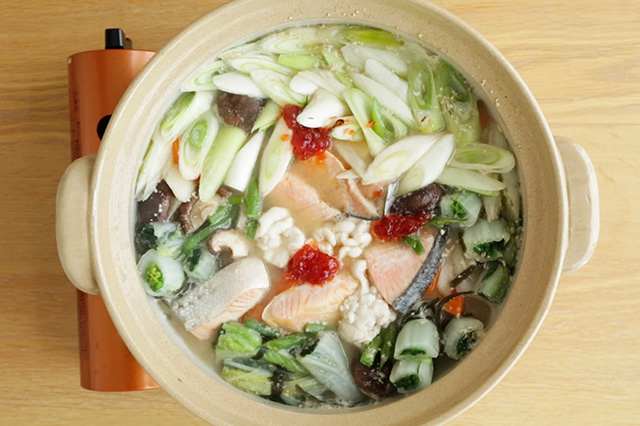
Featured dish Ishikari Nabe
Dish count 14
Food families 16
Suggested handoff Live Food map

First real content pass

Hokkaido is now on the first real Food-page pass.

Hokkaido works better as a region-scale hub than a compact city stop, so this guide is scaffolded to explain spread, travel distance, and where to jump next. This draft now includes page-specific copy, practical planning cues, and a better handoff into the live Food module.

Food overview

Why Hokkaido deserves an indexable Food page

Hokkaido is in the first Phase 3 Food batch because the current dataset already has a solid featured-dish signal, 14 curated dishes, and 3 restaurant examples wired into the live module. Ishikari Nabe is the flagship entry point for this scaffold, with the rest of the page structured to hand visitors into the interactive Food map without breaking the shared app shell.

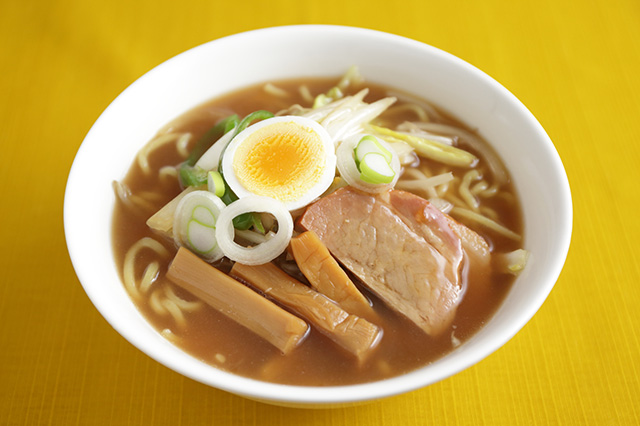
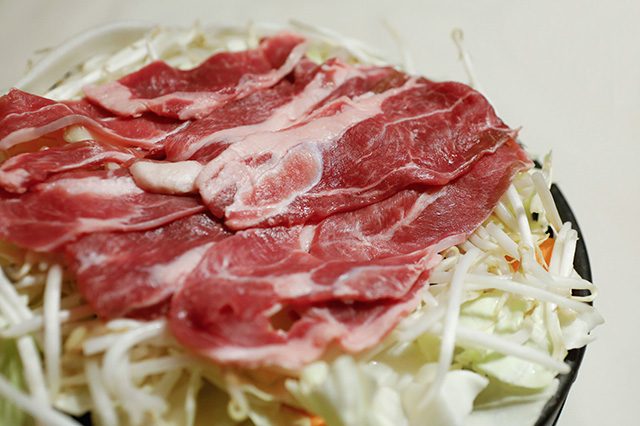
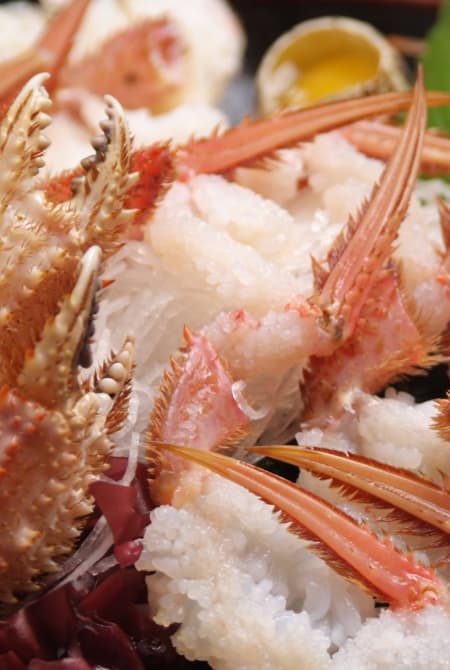
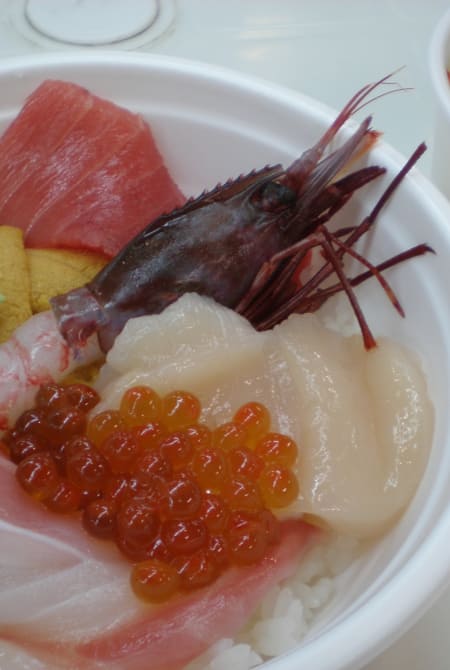
Hokkaido should be treated as a region-scale food hub, not a compact city page. The right landing-page job here is to show range: hot pot, ramen, grilled meat, and cold-water seafood all matter, and distances across the island change how travellers plan.

Ishikari Nabe is currently the strongest search-facing anchor for Hokkaido. Origin cues currently point to Sapporo and Ishikari, which helps make the page more locally grounded. This first real content pass keeps that context visible instead of dropping users straight into a JS-only experience.

Featured dishes

Top Hokkaido dishes to know first

Practical use

How this Hokkaido page should help a traveller quickly

Editorial angle

Hokkaido should be treated as a region-scale food hub, not a compact city page. The right landing-page job here is to show range: hot pot, ramen, grilled meat, and cold-water seafood all matter, and distances across the island change how travellers plan.

Planning cues

  • Keep the page explicit that Hokkaido is broad, with different food expectations depending on where the traveller actually goes.
  • Use Ishikari Nabe as the lead because it is distinctive and rooted in place, then let Sapporo Ramen and Jingisukan broaden the picture.
  • The live map handoff matters more here than in a compact city because one static page cannot represent the whole island well enough on its own.

Current origin signal

Hokkaido currently has origin cues linked to Sapporo, Ishikari.

Example places

Current best-effort places to open first

Example place 4.3★ on Google Maps

Odashi Shokudo Sapporo Tanukikoji

Closed · Opens 11 am

Example place 4.3★ on Google Maps

Soup Curry GARAKU Sapporo Main Restaurant

Closed · Opens 11:30 am

Planning block

What the live module should do after this page

Flagship dish

Ishikari Nabe is the current strongest search-facing hook for Hokkaido.

Live module handoff

Use this page as a regional starting point, not a compact single-neighbourhood plan. Distances across Hokkaido can be meaningful, so the live map handoff matters more here.

Current origin signal

Hokkaido currently has origin cues linked to Sapporo, Ishikari.

FAQ

Questions this page should answer clearly

Why call Hokkaido a region hub?

Because travellers experience it less like one compact city and more like a broad travel zone with meaningful distance between clusters.

Should Hokkaido lead with ramen instead?

Ramen is powerful, but Ishikari Nabe gives the page a stronger place-specific identity while ramen still stays highly visible as supporting content.

What should this page help with first?

It should help visitors understand the flavour identity and spatial spread before they jump into deeper browsing.

Related guides

Keep moving through the first batch

Sources

Current live source signals behind this scaffold

Map handoff

This route is meant to capture search intent cleanly, then send the visitor into the live Food module for deeper browsing, variant switching, and map-led exploration.